
Siding That Handles Midwest Freeze-Thaw Cycles
Vinyl Siding Installation & Replacement in Saint Charles for homes with weather-damaged or rot-prone exterior surfaces
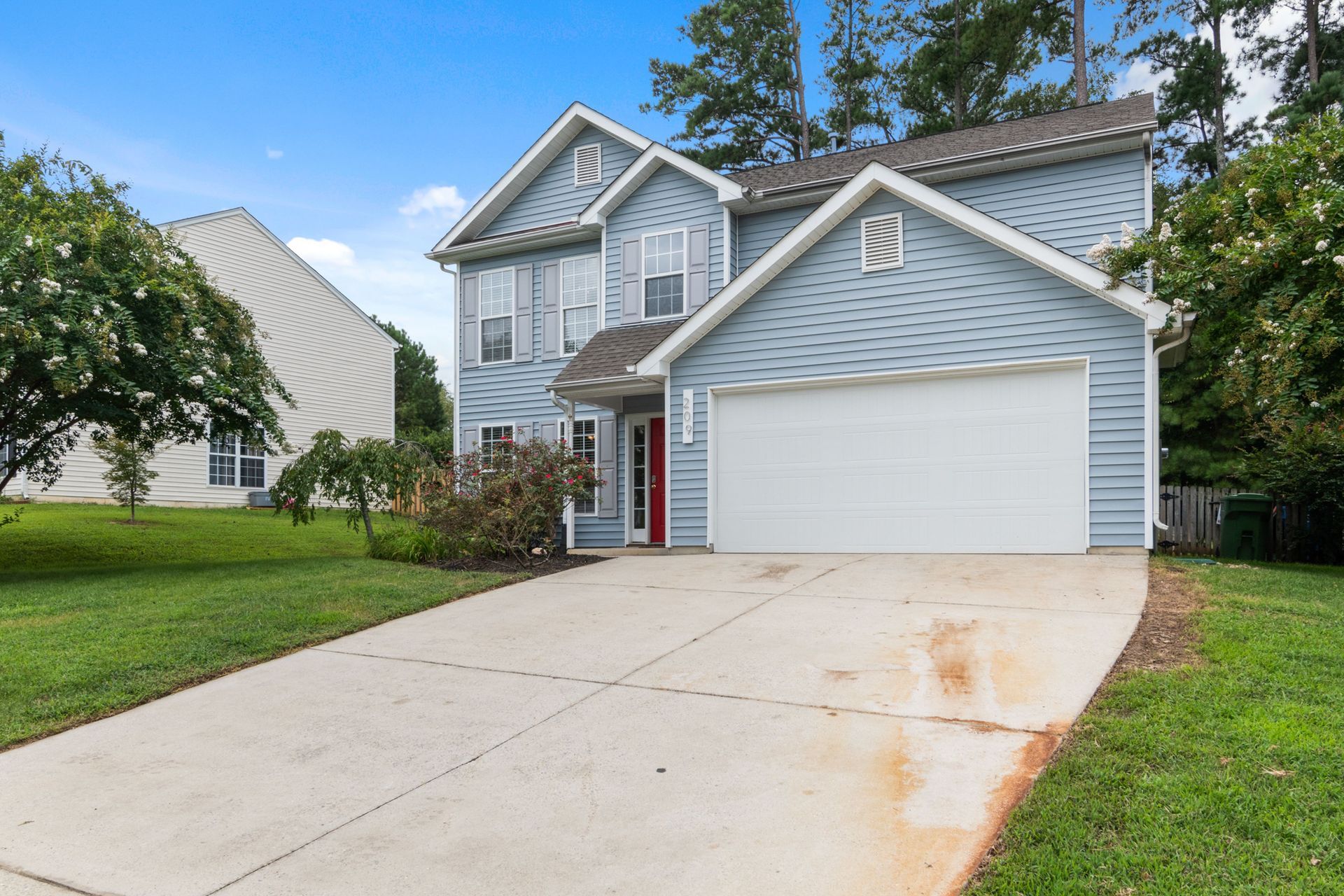
Our Local Roofers LLC replaces and installs vinyl siding for residential and commercial properties throughout Saint Charles, addressing exterior damage caused by seasonal temperature swings and moisture infiltration. Vinyl siding offers cost-effective protection for Midwest climate conditions, requiring less seasonal maintenance than wood while providing moderate hail resilience during storm season. The owner performs all siding installations personally, eliminating subcontractor markup and ensuring consistent quality across every project.
The installation process begins with complete tearoff of existing siding, followed by substrate inspection to identify rot or structural damage that could compromise the new installation. New vinyl siding is installed with proper underlayment and flashing at all penetration points, with sealed seams to prevent water infiltration behind the surface. This approach addresses the root causes of siding failure rather than simply covering visible damage.
Schedule a property evaluation to assess your current siding condition and substrate integrity.
Our Services
Why Proper Substrate Preparation Determines Siding Longevity
Siding replacement involves more than fastening new panels to your home's exterior—the condition of the substrate directly affects how well the siding performs during freeze-thaw cycles and storm events. During tearoff, the underlying sheathing is inspected for moisture damage, rot, or structural issues that would allow water to penetrate behind the new siding. Damaged sections are replaced before installation begins, and proper underlayment is applied to create a continuous moisture barrier from foundation to roofline.
Once installation is complete, you'll notice sealed seams at all window and door trim interfaces, properly fitted corner posts that don't gap when temperatures drop, and consistent panel alignment that doesn't warp or buckle during summer heat. The siding sheds water effectively during heavy rain, and ice formation along the bottom edge no longer causes panels to crack or separate. With 17 years of direct field experience, the owner installs each panel to account for thermal expansion, which prevents the buckling that occurs when contractors rush installations without proper spacing.
Vinyl siding maintenance in Saint Charles involves periodic cleaning to remove debris and seasonal inspection of seams and flashing, but the material itself resists rot and insect damage that plague wood alternatives. The installation includes all necessary trim, J-channels, and corner posts to create a complete weather barrier, though it does not include window replacement or structural repairs beyond standard sheathing replacement.
What Homeowners Ask About Siding Projects
Siding replacement raises practical questions about timing, materials, and what the work actually involves. These answers address the most common concerns for Saint Charles property owners.
How long does vinyl siding last in Missouri weather conditions?
Properly installed vinyl siding typically lasts 20 to 30 years in Midwest climates, with longevity depending on substrate preparation quality and whether the installation accounts for thermal expansion during temperature swings.
What happens to the old siding during replacement?
Complete tearoff removes all existing siding material, exposing the substrate for inspection and allowing identification of hidden rot, moisture damage, or structural issues that need correction before new siding is installed.
Why does vinyl siding cost less to maintain than wood?
Vinyl does not require seasonal painting, staining, or sealing, and it resists rot and insect damage that cause wood siding to deteriorate in humid summer conditions and freeze-thaw cycles common to the Saint Charles area.
When should I replace siding instead of repairing it?
Replace siding when multiple sections show cracking, warping, or moisture damage behind the surface, or when you notice increased heating and cooling costs caused by air infiltration through deteriorated panels and seams.
What does proper flashing installation involve?
Flashing is installed at all window and door openings, corner posts, and roofline interfaces to direct water away from seams and prevent moisture from reaching the substrate, which is the primary cause of premature siding failure.
Our Local Roofers LLC completes siding installations with the same crew from start to finish, ensuring accountability for substrate preparation and final weatherproofing. Request a detailed estimate that includes substrate inspection and any necessary sheathing repairs before siding installation begins.