
Roofs Built to Handle Standing Water
Flat Roofing in Saint Charles for buildings where water pools after rainfall and needs controlled drainage paths
Our Local Roofers LLC installs and maintains flat roof systems designed for the specific drainage challenges that come with low-slope or completely flat surfaces. These roofs require membrane materials and seam techniques that prevent water from finding its way through the surface, especially when ponding water sits after storms. Saint Charles properties with flat roofs face fall and winter moisture conditions combined with occasional hail events that test the integrity of every seam and flashing detail.
The service addresses membrane selection based on building use and budget, then focuses on seam sealing, flashing installation around penetrations, and drainage diagnostics to identify where water collects. TPO, EPDM, and modified bitumen each respond differently to temperature swings and impact, so the material choice depends on exposure conditions and whether the roof sees foot traffic or equipment loads.
Schedule a property evaluation to assess current membrane condition and drainage performance.
Our Services
How Proper Flat Roof Installation Prevents Leaks
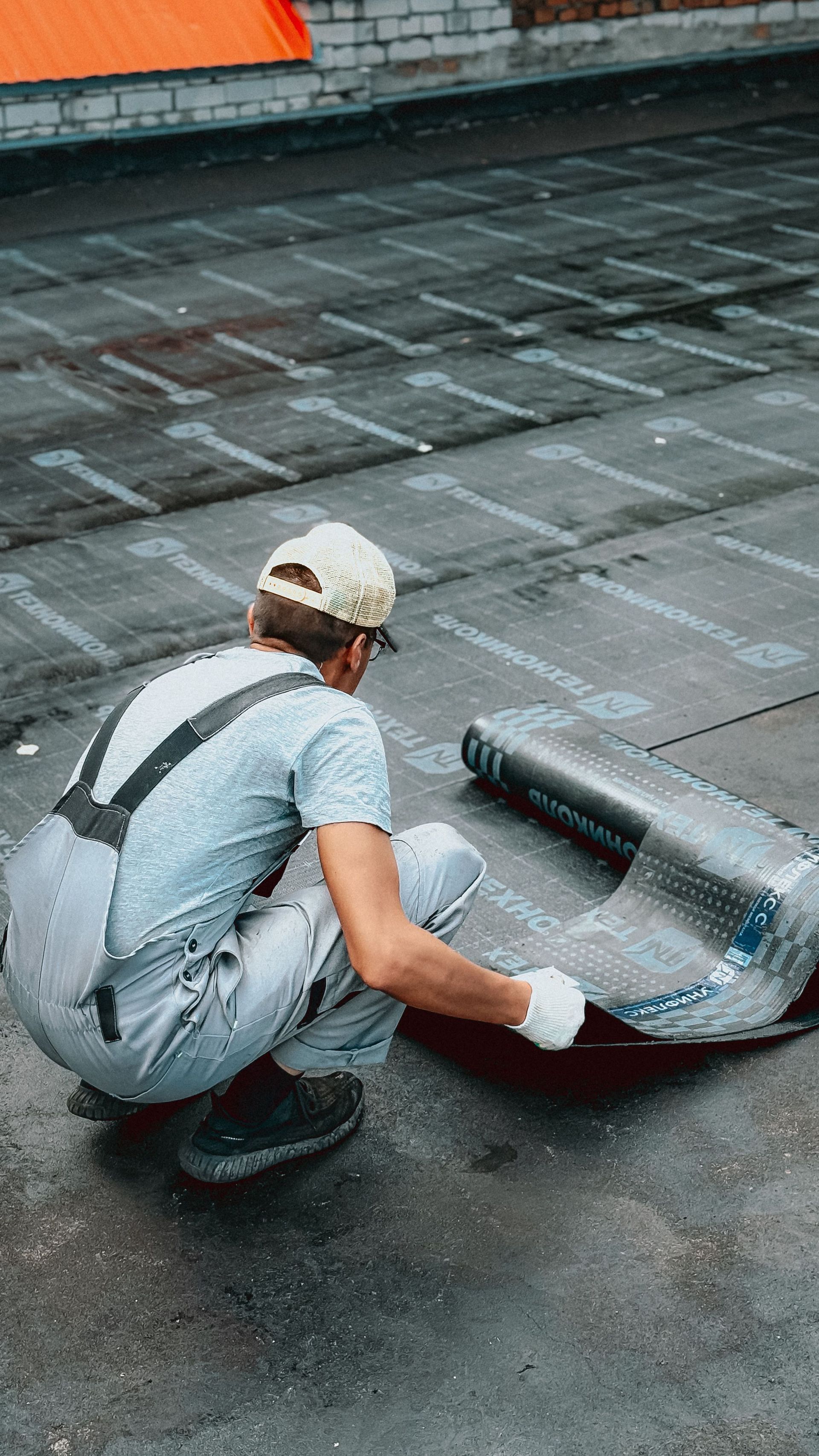
Flat roof installation begins with membrane type selection tied directly to how the building is used and what budget constraints exist. Seams are sealed using heat welding or adhesive methods depending on the membrane, and flashing is shaped and secured around roof penetrations like vents, HVAC units, and parapets. Drainage diagnostics during inspection reveal ponding water areas where the roof holds water longer than forty-eight hours, which accelerates membrane degradation and increases leak risk.
Once the membrane is installed and all seams are sealed, you notice that water moves toward drains or scuppers instead of sitting in low spots, and the interior ceiling no longer shows stains or soft spots after heavy rain. Our Local Roofers LLC ensures that flashing details are completed to manufacturer standards, with separate material and labor warranty tracking so you know exactly what is covered and for how long.
The installation includes ponding water assessment as part of the final walkthrough, but it does not include structural repairs to the roof deck if framing has sagged over time. Membrane color selection affects surface temperature and building cooling costs, so lighter colors reduce heat absorption during summer months when flat roofs are fully exposed to sun.
Questions About Flat Roof Systems
Property owners in Saint Charles often ask about membrane longevity and maintenance requirements before committing to a flat roof project.
What is the difference between TPO, EPDM, and modified bitumen membranes?
TPO is a single-ply thermoplastic membrane heat-welded at seams, EPDM is a rubber membrane adhered or mechanically fastened with tape or liquid-applied seams, and modified bitumen is an asphalt-based roll product applied with heat or adhesive that offers multiple plies for puncture resistance.
How does ponding water affect flat roof lifespan?
Water that remains on the surface longer than forty-eight hours breaks down membrane materials faster, accelerates seam failure, and increases the likelihood of leaks developing at flashing points or low spots.
When should I schedule a flat roof inspection in Saint Charles?
Inspections are recommended after fall and winter weather events, particularly following hail storms or heavy snowmelt periods when freeze-thaw cycles stress seams and flashing.
What causes flat roofs to leak at seams?
Seam leaks develop when heat-welded or adhesive-bonded joints separate due to thermal expansion and contraction, improper installation tension, or membrane shrinkage over time.
How long does a properly installed flat roof last?
TPO and EPDM membranes typically last twenty to thirty years depending on installation quality and maintenance, while modified bitumen systems often reach fifteen to twenty-five years before requiring replacement.
Our Local Roofers LLC uses owner-led crews to complete flat roof installations, ensuring that every seam and flashing detail meets manufacturer specifications before the project is finalized. Arrange an on-site consultation to review drainage patterns and membrane options for your building.